
Dilara Dolmaci discusses her practice bridging the nuanced shadows of graphite with the typographic texture of newsprint. Exploring the narrative depth behind portraits and the timeless link created with archived print media, this interview focuses on the intersection of drawing and collage.
1. Could you tell us a little about yourself?
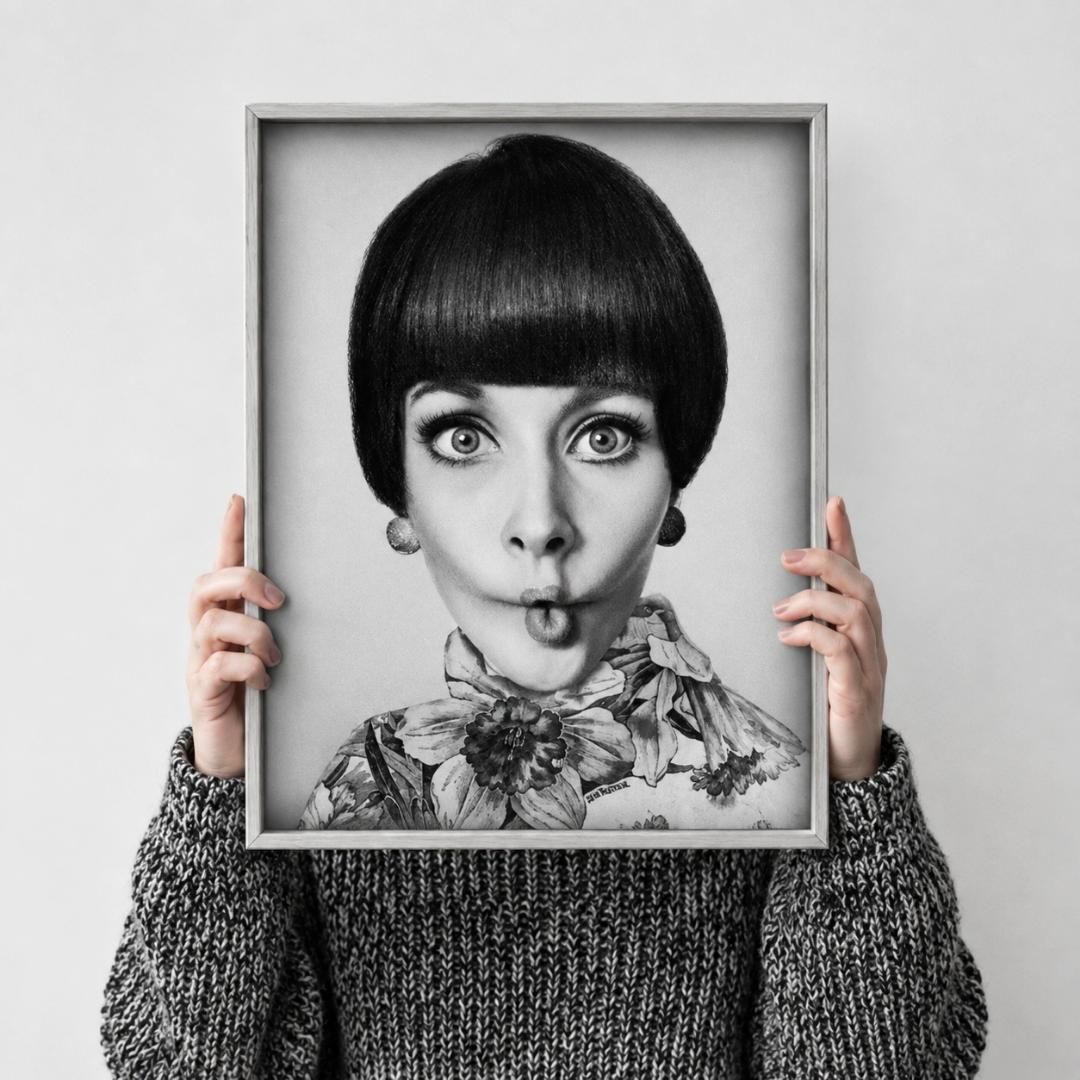
My name is Dilara Dolmacı. I work mainly on portraits, combining charcoal drawing with newspaper collage. I have received training in portraiture and charcoal drawing. Art has been a part of my life for a long time, and over time I became more interested in charcoal and began developing my own style. Portraits and newspaper collage gradually became central to my work. Human faces, expressions, and different characters have an important place in my artwork. I continue to develop my own style by combining the detailed and realistic qualities of charcoal with pieces of newspaper.
I have always loved working with charcoal. After some time, I began thinking about using a different material in my work, and I started experimenting with pieces of newspaper. I noticed that the shadows and details of charcoal complemented the text and texture of newspapers. Over time, I began using these two techniques together, and they have now become an important part of my work.
3. Are the newspaper clippings simply a visual background, or is there a conceptual connection between the texts or news stories you choose and the portraits?
For me, the visual contribution of the newspaper pieces is the most important aspect. The text, different font sizes, and textures give the portrait a different atmosphere. Of course, sometimes a word or a news story in the newspaper may also relate to the work, but I do not always plan this intentionally. I focus more on the overall visual harmony and the feeling that the newspaper pieces add to the artwork.
4. How does working with a black and white palette allow you to emphasize emotional depth and character in human faces?
Working in black and white brings the expression more to the forefront for me. Without color, I think the viewer's attention is drawn more toward the details of the face, the eyes, and the shadows. Especially in portraits, I find it fascinating that even a small change in expression can completely change the character of a face.
5. When you begin a portrait, what is the main thing that draws you in? Is it a particular expression, a story in the eyes, or the form of the figure?
Usually, the first things that catch my attention are the expression and the eyes. When I see a strong emotion or a distinctive character in a face, I want to draw it. Then I begin working on the form and details of the face. Sometimes, the overall atmosphere of a photograph can also inspire me.
6. How do you balance the spontaneity of charcoal with the more planned nature of collage during the drawing process?
I work more freely with the charcoal part. During the drawing process, the shadows, expressions, and details can gradually take shape. With the collage, I need to think a little more in advance about where the pieces will be placed. When bringing the two together, what matters to me is that the collage complements the drawing and becomes integrated with the portrait.
7. You have mentioned that you aim to make the viewer feel an emotion rather than simply showing them a face. What is the most challenging part of conveying that feeling?
I think the most challenging part is expressing the emotion I want to convey without exaggerating it. In portraits, I usually try to communicate this through the eyes and facial expression. It is important to me that the viewer can also bring their own emotions and interpretation to the work.
8. Newspaper material represents time, current events, and archives. When this temporal material is placed alongside the human figures in your portraits, what kind of timelessness emerges?
A newspaper is a material that carries traces of the past, while a portrait feels like a form of expression that exists beyond time. When I bring the two together, I like the way a material from the past meets a portrait created today. In this way, the work contains both a trace of the past and a feeling that belongs to the present.
9. When working on human anatomy and facial expressions, do your personal observations or fictional narratives play a greater role in your creative process?
I would say my personal observations play a greater role. Observing human faces and expressions is very important to me. Even when I begin with a photograph, I add my own interpretation during the drawing process. For this reason, the final portrait is not an exact reproduction of the original image, but rather something shaped through my own interpretation.
10. How has having your work featured in different art publications and exhibitions affected the way you evaluate your work from an outside perspective?
It is very valuable to me to have my work seen by different people and to receive different interpretations. Feedback from others sometimes helps me notice things that I did not see while working on a piece. At the same time, it motivates me to continue creating and to keep developing myself as an artist.