
We discussed with Sicilian artist Ivana Urso the process of memories turning into matter, the freedom of letting go of control, and her visual narrative that begins where words end.
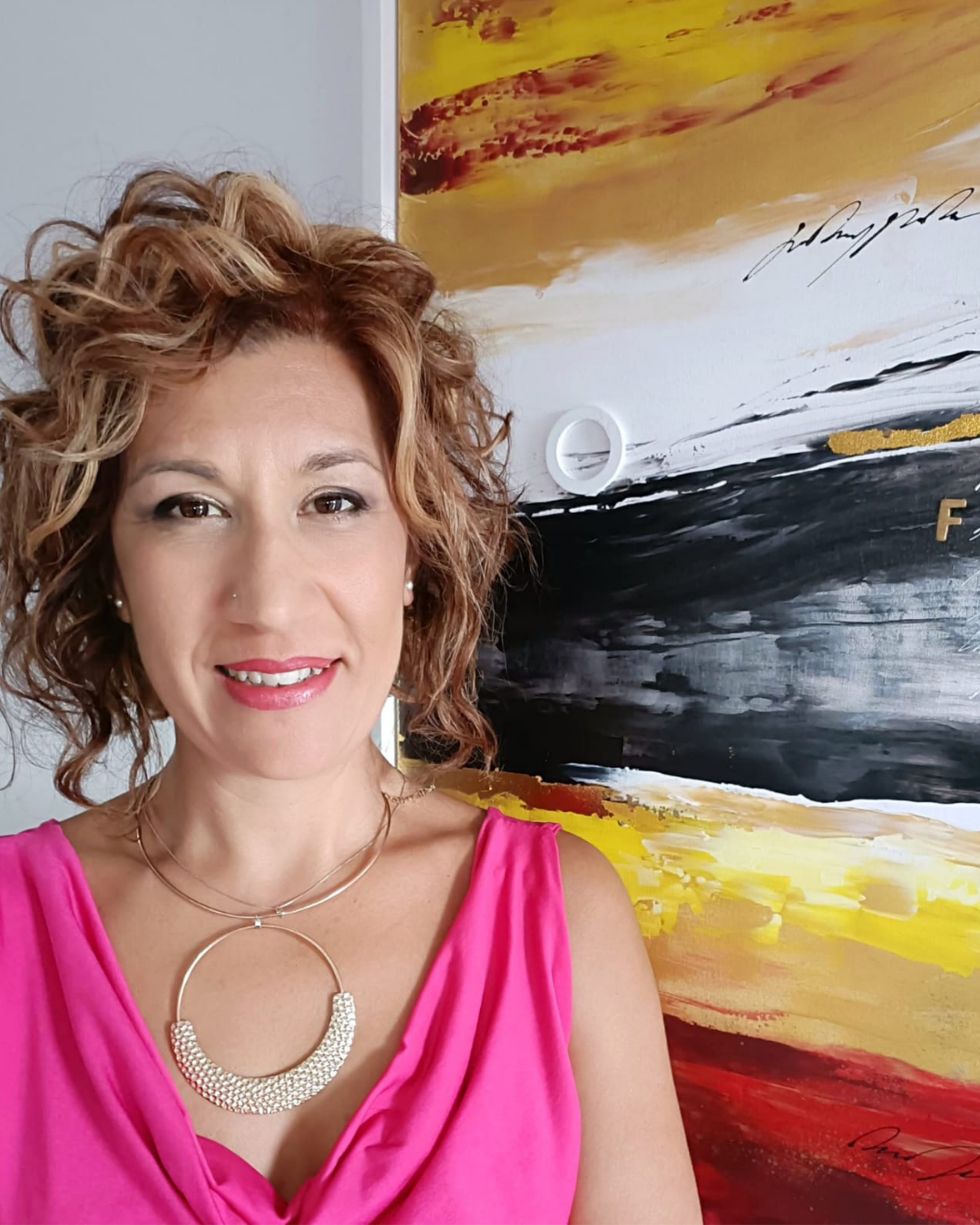
1. Could you tell us a little bit about yourself?
My name is Ivana Urso, and I am a Sicilian artist. My research stems from a deep need to observe and transform what surrounds me: emotions, memory, identity, and territory. Sicily, with its contrasts and its light, is a constant presence in the way I see, feel, and experience art.
2.Is art an escape for you, or more of a form of expression?
For me, art is first and foremost a form of expression, but at times it also becomes a way of escape. Not to flee from reality, but to move through it. It is a space where I can express things that I cannot explain with words.
3.Have you ever felt that a piece of your work was never truly finished? What, in your opinion, makes a work feel “complete”?
Often, I do not believe an artwork is ever truly finished. Rather, it is abandoned at the right moment. A work feels complete when it no longer asks anything of me, when I sense that it can stand on its own, even with its imperfections.
Yes, more than one. Some teachers played an important role by teaching me how to look before teaching me how to create. My family has also been fundamental in my journey.
5.Do you prefer to be alone when creating your art?
It depends very much on the project. Some works arise from a more intimate need and require solitude, listening, and concentration. Others develop better through dialogue and collaboration, where the exchange of ideas and energies becomes an integral part of the creative process. Both approaches are essential to my practice.
6.Has there ever been a period in your life that gave you a new artistic perspective perhaps a relationship or a journey?
Yes, certain journeys and relationships have profoundly changed my perspective. Leaving Sicily and then returning allowed me to see it with new eyes, more aware and less idealized.
7. Has there been a film or book that has recently inspired you? Do you think it has influenced your art in any way?
I am particularly drawn to films with strong narratives, often permeated by mystery and romanticism. This kind of storytelling inspires me because it leaves space for imagination, for what remains unsaid, for suspended emotions. It influences my art especially in the way I build atmospheres and visual relationships, suggesting rather than explaining, much like certain films do.
8. What is the strangest thing you’ve learned about painting?
That it often works better when you stop trying to control it. Leaving space for error and the unexpected can lead to results that are far more authentic than those that are carefully planned.
9.Have you ever had a turning point or an “Aha!” moment in your artistic journey? Could you describe how transformative that was?
Yes, when I understood that I did not have to try to please others or conform to an external idea of what art should be. That realization was liberating and transformative. From that moment on, I began working in a more honest way, accepting my own voice and my own pace.
10.Do the colors, shapes, or techniques you use in your art reflect emotions or impressions from your personal life?
Very naturally. Colors and forms often become an extension of my emotional state and the experiences I am living. Even when it is unintentional, personal life always filters into the work, leaving visible traces.
11.Have you ever said that you love the process more than the result? How personal is that feeling of “losing yourself” while creating?
I deeply love the process. It is a very personal, almost intimate dimension, where time seems to suspend itself. Losing myself while creating is one of the most authentic moments of my work.
12.When creating your art, do you feel guided by an inner voice?
Yes, very often. It is a silent voice, made more of sensations than words, that guides my choices.
13.What do you think people usually feel when they look at your art?
I hope they feel an emotional connection, even if it is different for each person. If a work can evoke a memory, a question, or a sensation, then it has already begun its dialogue with the viewer.
14. Your top 3 favorite songs or pieces of music?
It depends on the period, but generally instrumental music or film soundtracks that help me concentrate, Italian singer-songwriter music, and pieces with a strong emotional and narrative component.
15. Your top 3 favorite books?
I do not have three absolute favorites, but I am drawn to books that combine history, mystery, and emotion, as well as texts related to art and the creative process.
16. Your top 3 favorite foods?
Sicilian traditional dishes, especially pasta in all its forms, and desserts connected to family memories and special occasions.
17. Your top 3 favorite activities?
Painting and drawing, walking and observing, and traveling.
18.Your top 3 favorite cities?
Catania, for the emotional bond I have with it. Barcelona as a European city of art. Berlin, a city I visited that left a strong impression on me.
19. Do you think there’s money in art?
I believe there can be economic opportunities in art, but it is never an easy path. It requires consistency, vision, and a great deal of patience.
20.What advice would you give to someone who’s just starting out in art?
To be patient and honest with themselves. Not to rush toward an end point, and never to stop observing, studying, and experimenting. Above all, never to lose the pleasure of creating.