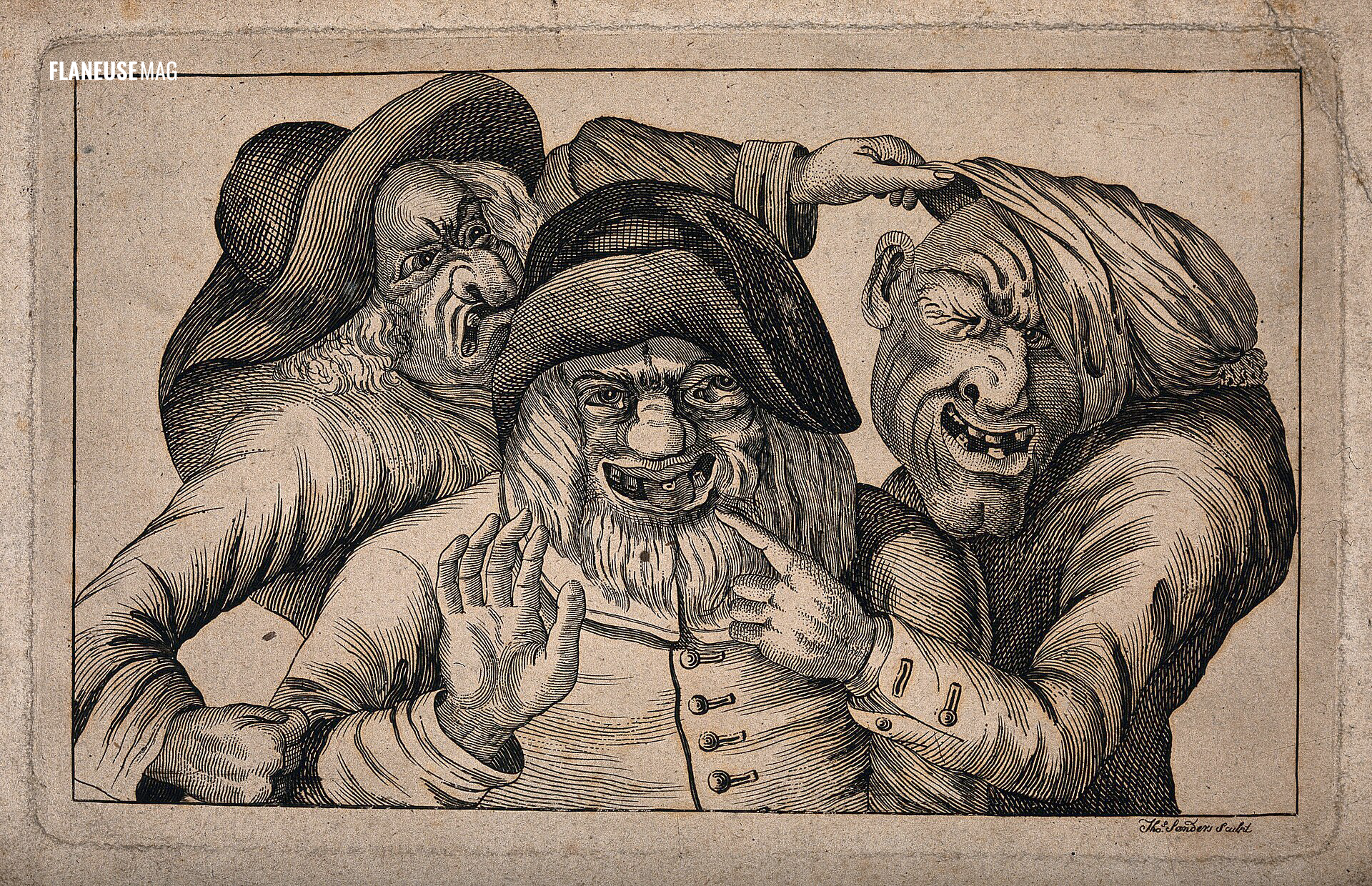
Art is often associated with beauty and harmony. However, some artworks, even if considered “ugly” or disturbing, leave a strong impact on viewers. So why can ugliness sometimes make an artwork more powerful and memorable?
The Aesthetic Power of Ugliness
Traditional aesthetics focus on symmetry, harmony, and pleasing visuals. Ugliness, on the other hand, challenges these conventions. Asymmetry, distorted faces, or unexpected color combinations capture the viewer’s attention. This attention helps the artist’s message to be communicated more effectively.
Emotional Impact and Ugliness
Ugly artworks usually evoke strong emotions rather than visual pleasure. Discomfort, fear, surprise, or amazement are feelings that make an artwork memorable. The purpose of art is not just to look beautiful, but to affect and provoke thought. In this sense, ugliness becomes a powerful tool to amplify the impact of the work.
Reality and Authenticity
Ugliness often reflects reality and human experience more accurately. Imperfections, flaws, and distortions make the artwork feel more authentic and relatable. People connect more with familiar and realistic details than with perfect beauty. This is why some “ugly” artworks can be more striking than perfectly polished ones.
The Artist’s Message and Ugliness
Artists can use ugliness to strengthen their message. Forcing the viewer out of their comfort zone is one of ugliness’s most valuable qualities.
Conclusion: Why Ugliness Matters in Art
In summary, ugliness can make an artwork more powerful because it draws attention, evokes strong emotions, reflects reality, and strengthens the artist’s message. Art is not only about visual appeal; it is about engaging the audience and provoking thought. Sometimes, a work that is aesthetically “ugly” delivers the most lasting and unforgettable experience.