
Is the past merely a subject in an artwork, or a living ghost seeping into the form? We examine the layers of memory and how remembering and forgetting manifest as artistic expression.
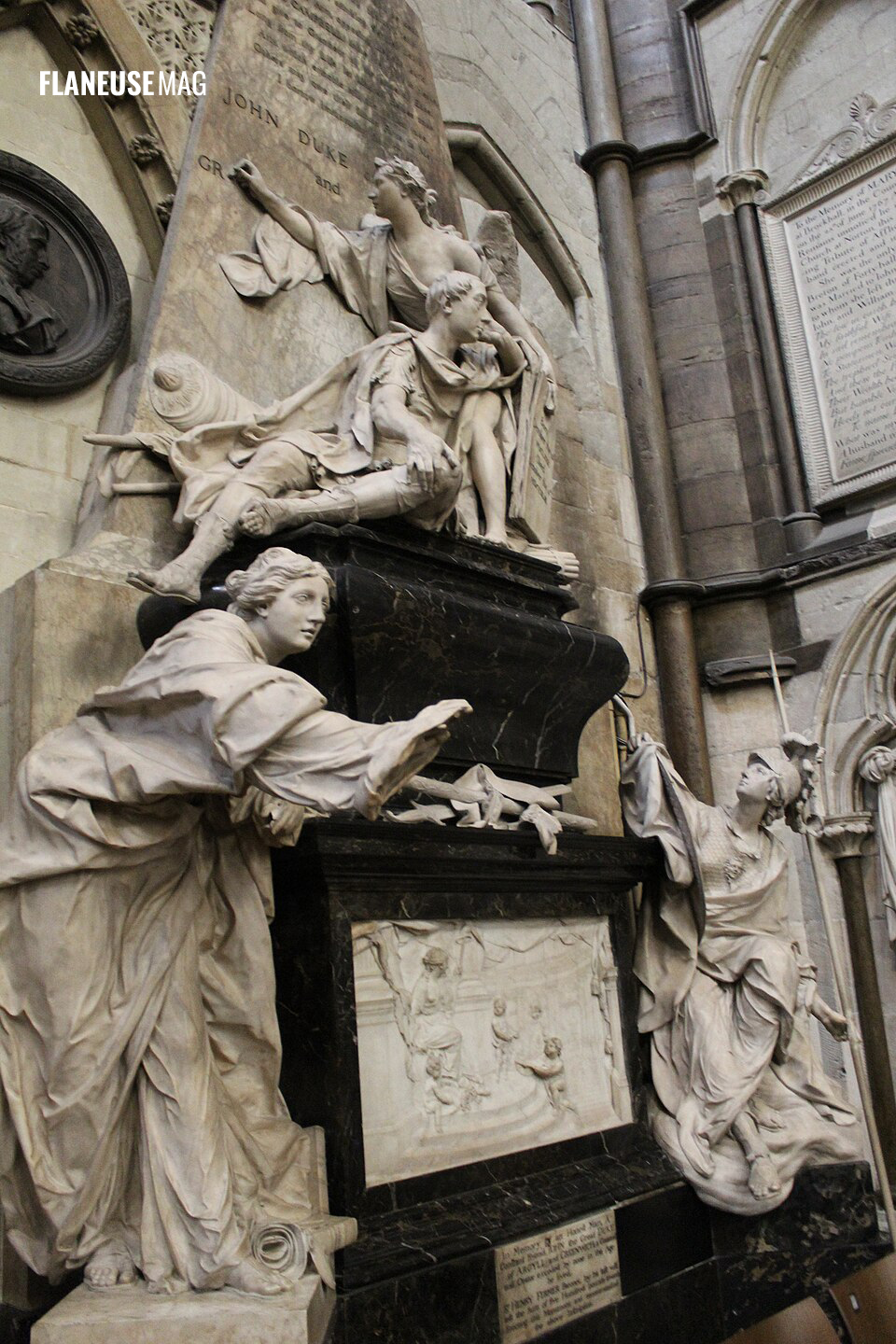
Art is a powerful tool for preserving the past and memory. Every artwork can carry the creator’s personal memories, cultural heritage, and the effects of time. So why do traces of time make artworks more meaningful and impactful?
Reflecting the Past
Artists can reflect past events, personal memories, or historical moments in their work. This reflection gives viewers an opportunity to think about a particular era or experience. The presence of the past in a work adds both emotional and cultural depth.
Artistic Representation of Memory
Memory is a subjective reflection of time and the past. Artists can depict the blur, missing pieces, or forgotten details of memories in their art. This approach transforms viewers from mere observers into active participants, rediscovering the past themselves.
Physical Traces of Time
In some artworks, the passage of time is felt physically. Aged textures, faded colors, cracked surfaces, or vintage photo effects reveal the history of the piece and the impact of time. These details increase the depth and authenticity of the artwork.
Connection with the Viewer
Traces of time create a strong connection with the audience. Elements from the past in a work can trigger the viewer’s own memories and experiences. In this way, art becomes a personal bridge and a collective memory.
Conclusion: Why Time Matters in Art
Representing the past, memory, and time itself makes art not only aesthetically appealing but also emotionally and culturally powerful. Art does not stop time, but it allows us to observe and feel it. This is why art remains one of the strongest tools for keeping the past and memory alive.