
Is the void in an artwork merely an absence, or the most powerful tool of expression? We examine how negative space and silence invite the viewer into the work and deepen its meaning.
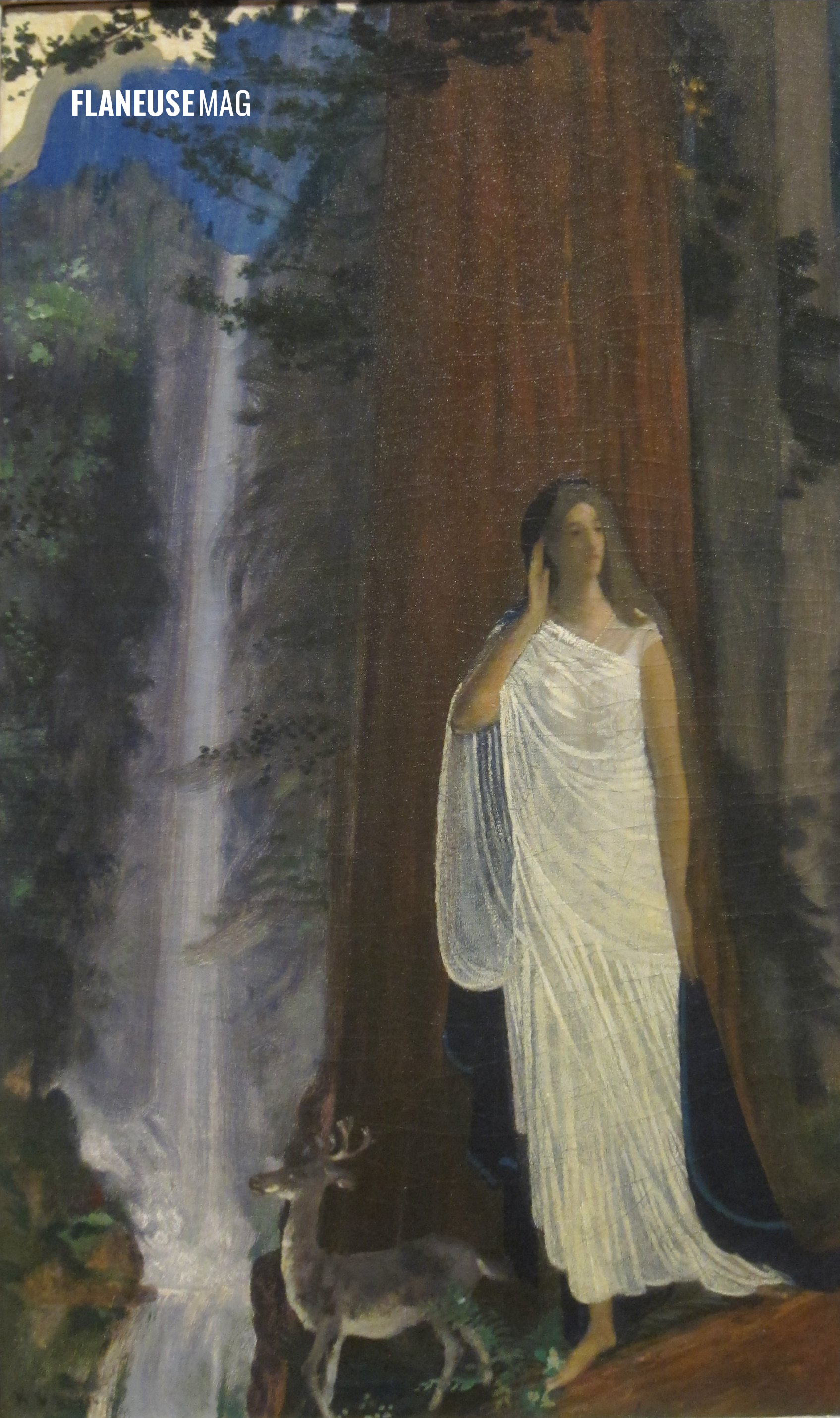
Art is not only about lines, colors, or words. Sometimes, silence and empty spaces convey the strongest messages. In art, silence allows the viewer to think, feel, and create their own interpretation. So why do empty spaces make artworks more impactful?
The Aesthetic Power of Empty Spaces
Empty or negative space balances a composition and directs attention. Scenes stripped of unnecessary details help the viewer focus on the most important elements. This makes silence an effective aesthetic tool and adds depth to the artwork.
Interaction with the Viewer
Empty spaces make the viewer a part of the unfinished artwork. The audience fills in the gaps with their imagination, creating a personal dialogue with the work. This interaction makes the art experience more meaningful and memorable.
Emotional and Psychological Impact
Silence in art can generate strong emotional effects. Empty spaces can increase tension, provide calm, or evoke feelings of loneliness. In minimalism and contemporary art, the use of space creates an emotional language that leaves a lasting impression on the viewer.
Strengthening the Artist’s Intent
Artists use empty spaces consciously to enhance the message they want to convey. These gaps give the artwork room to breathe and allow the viewer to reflect on its meaning. In this way, silence enriches artistic expression.
Conclusion: Why Silence Matters in Art
In summary, silence and empty spaces are powerful tools that enhance art. They create interaction with the audience, establish aesthetic balance, and generate emotional depth. Art is not just what we see; hidden meanings exist in the spaces, silence, and gaps. That is why empty spaces play an unforgettable role in both modern and classical artworks.