
Is the relationship between artist and work a one-way production process, or does the artist reinvent their own identity with every brushstroke?
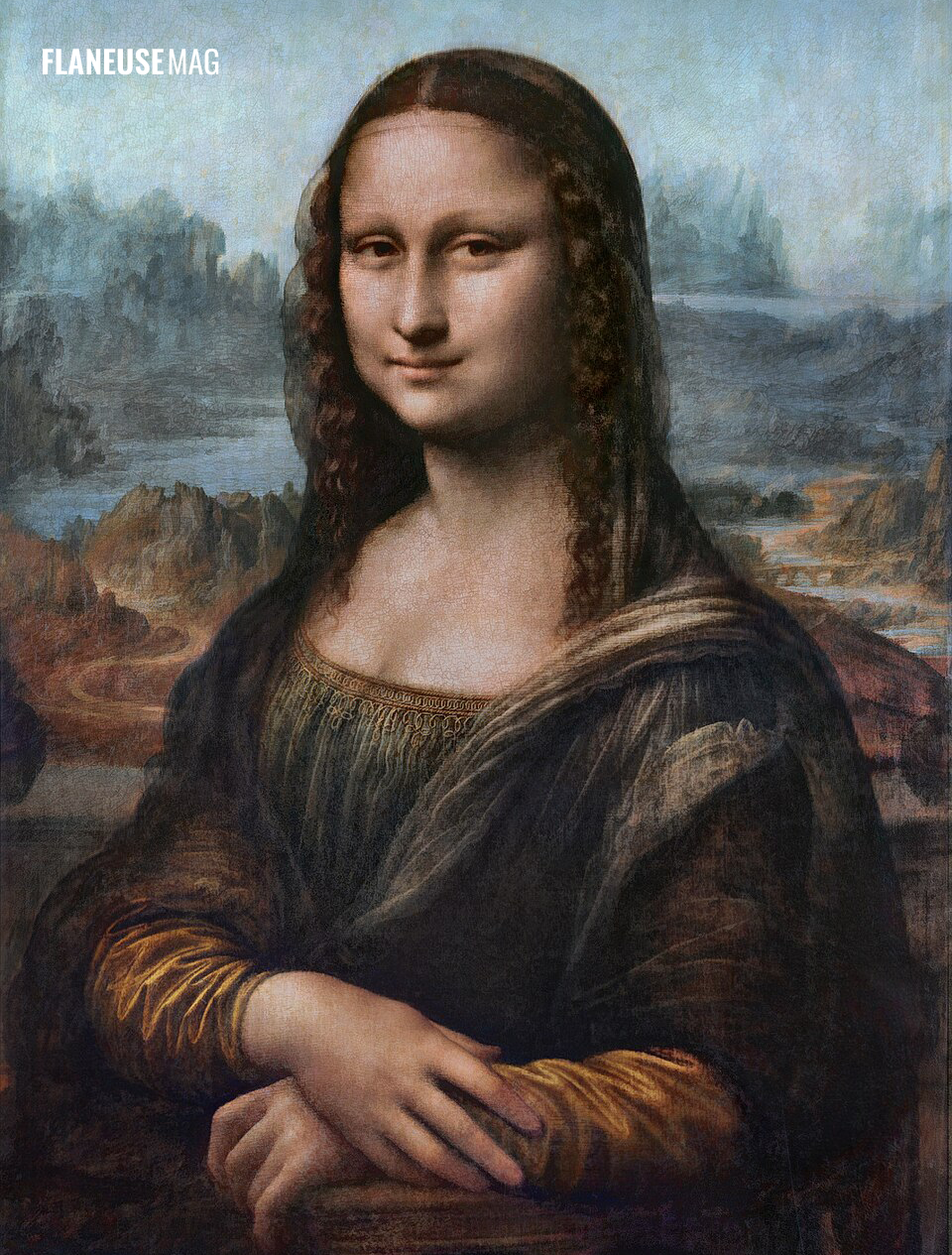
In the art world, a long-standing question sparks debate: Does the artist create the artwork, or does the artwork shape the artist? This question is not only about the creative process but also touches the essence of art and its relationship with the audience.
Artist-Centered Creation: The Birth of a Work
Traditionally, art is seen as entirely under the control of the artist. A painter’s brush, a writer’s words, or a sculptor’s hands bring the artwork into existence. From this perspective, the artist is the creator, and all meaning is shaped by their intention.
The artist-centered approach strengthens the connection between the artist and the work. Viewers try to understand the artwork while gaining direct insight into the artist’s thoughts and emotions.
How the Artwork Shapes the Artist
On the other hand, some works seem to go beyond the artist’s control, developing a life of their own. The artwork shapes the artist. This happens especially in long-term projects, where the creative process transforms the artist’s perspective, techniques, and style.
For example, a writer working on a novel may start questioning their own ideas as characters evolve. A painter may discover new styles or techniques through unexpected color combinations. In this sense, an artwork is not just a product but also a teacher and transformative force.
Mutual Influence in the Creative Process
Modern art theory suggests that both perspectives complement each other. The artist and the artwork influence one another throughout creation. While the artist shapes the work, the work simultaneously shapes the artist. This reciprocal process keeps art dynamic and alive.
This interaction also affects the audience. An artwork can gain meaning independently of the artist’s original intention. Thus, art becomes not just a medium for the creator’s message, but a continuous dialogue between the viewer, the artist, and the work itself.
Control vs. Chance in Art
The creative process balances control and chance. No matter how planned the artist’s approach, the work often reveals its own nature. These unforeseen elements contribute to the artist’s growth and expand the boundaries of creativity. Unfinished sketches, accidental brushstrokes, or unexpected material reactions enhance the artwork’s influence on the artist.
Conclusion: Who Shapes Whom, the Artist or the Artwork?
There is no single answer to this question. However, it is clear that art is a journey, where both the artist and the artwork transform each other. The artist creates the work, and the work shapes the artist. This mutual influence keeps art vibrant and meaningful.
Art is not just about the finished product; the interaction during creation, the relationship with the audience, and the effect of the artwork on the artist reveal the true power of creativity.