
The Power of Art: Aesthetic Influence on Culture and Social Transformation
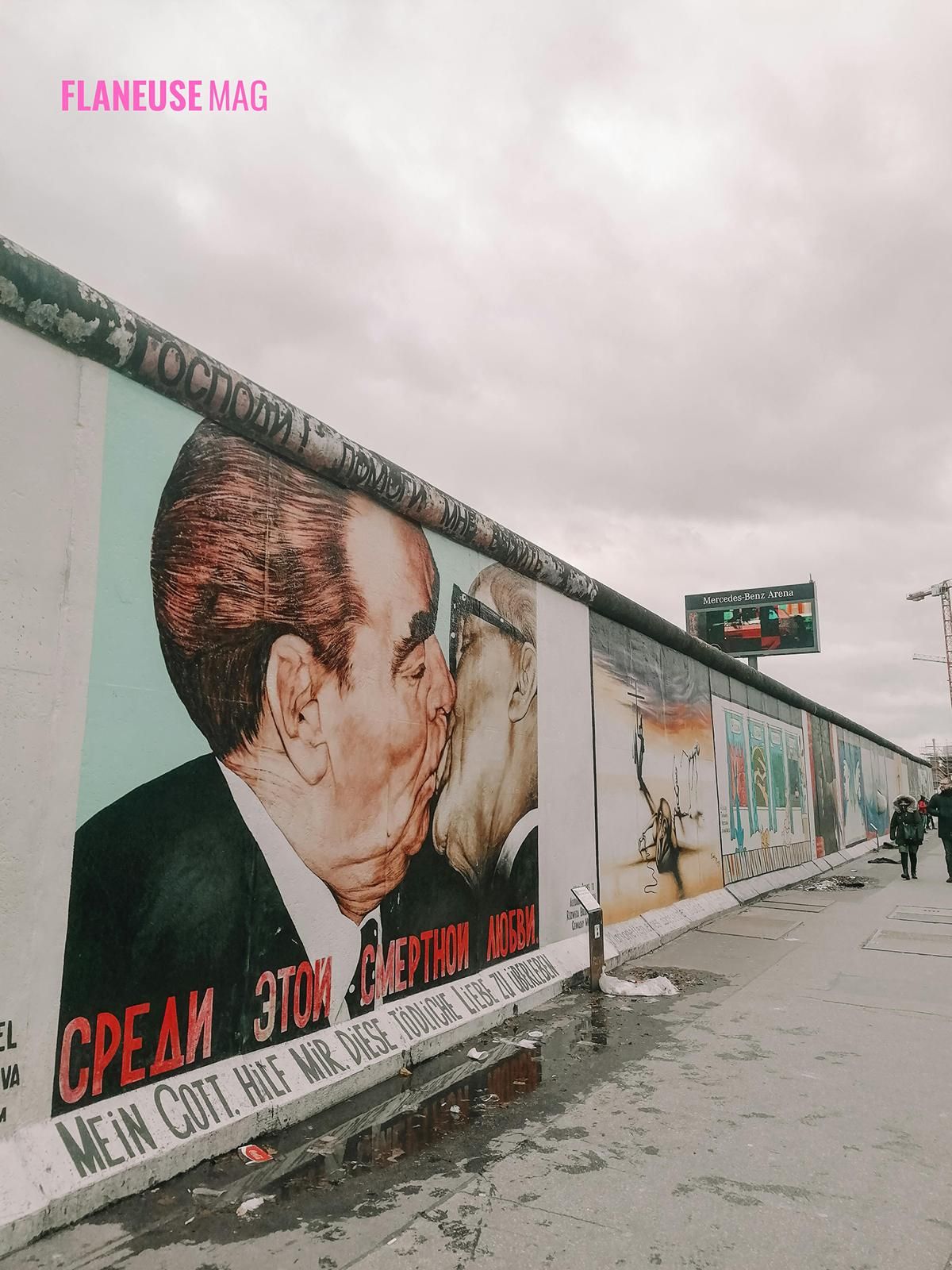
Art has been not only an aesthetic experience but also a powerful tool for social change and cultural transformation throughout human history. Painting, sculpture, literature, and theater do more than reflect the values, issues, and aspirations of a particular era; they also influence the intellectual and emotional development of individuals and societies. In this process, aesthetics extends beyond mere beauty, becoming a medium for conveying ideas, emotions, and critical perspectives.
The relationship between social transformation and art can be seen in numerous historical examples. Renaissance artists, with their human-centered perspectives and emphasis on realism, offered not only aesthetic innovation but also highlighted the potential of the individual and societal values. Similarly, avant-garde movements of the early twentieth century, such as surrealism and dadaism, addressed the impact of war and social upheaval through art, pushing audiences beyond conventional perception. These examples demonstrate that art is far from being a decorative object; it possesses the capacity to generate social consciousness and critical thought.
The power of art is also evident in its ability to mobilize society and raise awareness. Political cartoons, street art, and performance pieces often serve as direct tools for social critique, engaging audiences in active reflection on social issues and norms. The aesthetic language of art amplifies the effectiveness and permanence of its message, making it both impactful and memorable.
In terms of cultural transformation, art functions as a medium for shaping identity and fostering a sense of belonging. National paintings, sculptures inspired by folklore, or works adorned with traditional motifs preserve a society’s cultural memory and shared values. Aesthetics thus becomes not only a source of individual pleasure but also a binding force that reinforces collective cultural heritage.
In conclusion, art transcends aesthetic experience to play an active role in culture and social transformation. It influences emotional and intellectual life, raises social awareness, and contributes to the reshaping of societal values. The power of art lies in its ability to produce meaning and change, both for individuals and communities, with aesthetics serving as the most effective language for this process.