
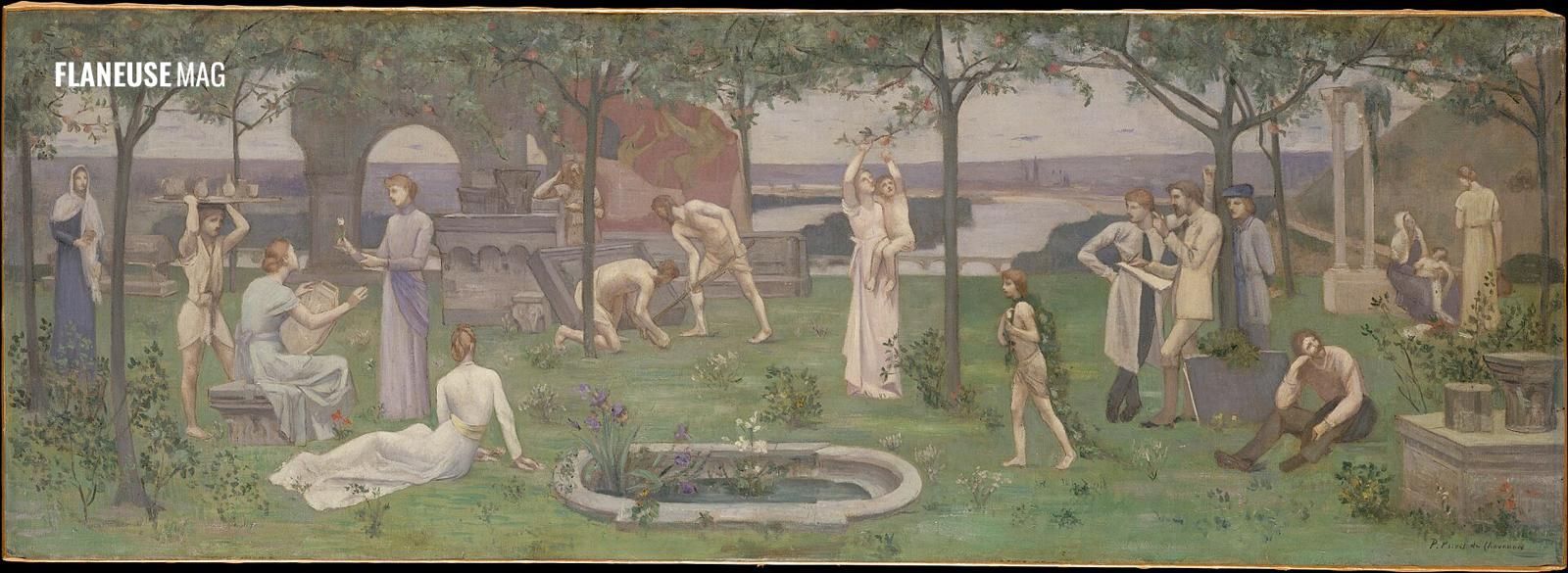
Art and nature have long maintained a close and mutually enriching relationship throughout human history. Nature has served not only as a source of inspiration for artists but also as a fundamental tool for creating form, color, composition, and atmosphere. From landscape paintings and still lifes to contemporary ecological works and environmental art, this relationship shows how art interprets nature and establishes a visual dialogue between humans and their surroundings.
The influence of nature on art goes beyond visual aesthetics. Through color, light, shadow, and perspective, nature provides artists with both technical and emotional means of expression. For example, nineteenth-century Romantic landscape painters depicted nature in dramatic and emotional ways to reflect human inner experiences in relation to the natural world. These works do more than present a scene; they encourage viewers to recognize the emotional and spiritual bond between humans and nature.
In modern and contemporary art, nature has become a tool for narrative and critical expression. Environmental art and ecological projects create works that question humanity’s relationship with the environment, either by intervening in or subtly transforming natural spaces. These works turn viewers from passive observers into active participants, inviting reflection, understanding, and experiential engagement. In this way, nature functions not only as a subject but also as a medium for interaction and consciousness raising.
The visual dialogue between art and nature also carries cultural and social significance. Artworks highlight the beauty, fragility, and sustainability of the natural world. This approach elevates art beyond mere aesthetic experience, making it a tool for social responsibility and awareness. It encourages viewers to reflect on ecological issues while appreciating the artistic qualities of the work.
In conclusion, the relationship between nature and art forms a profound connection both visually and intellectually. Art provides a way for humans to interpret, engage with, and explore their environment. This visual dialogue offers viewers a rich experience, combining aesthetic enjoyment with conscious awareness.