
Does the moment an artist drops the brush make a work flawed or more authentic? Exploring the concept of "non finito," we examine the intimate connection between incompleteness and the viewer.
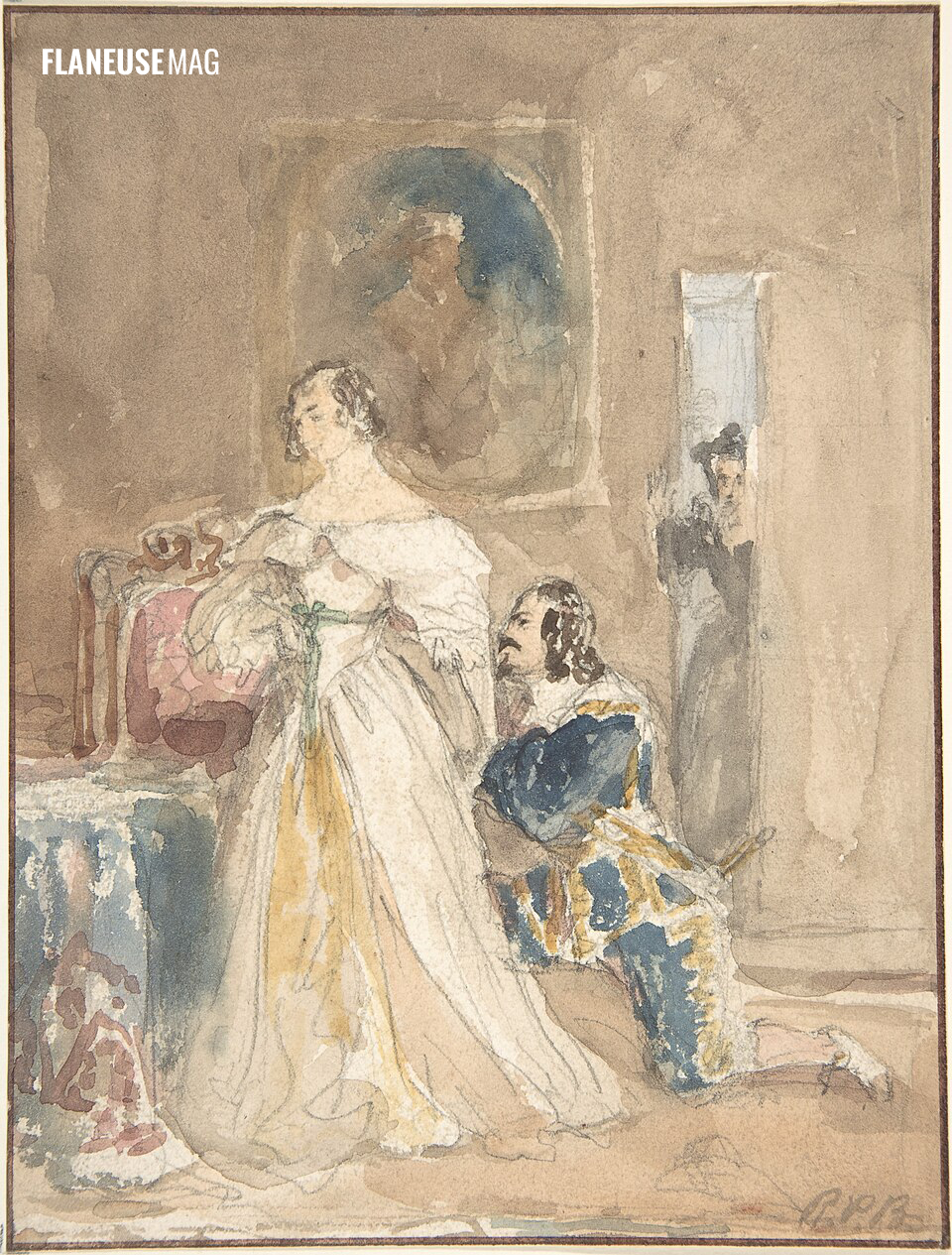
In art, “completion” is often seen as a sign of success. When a painting receives its final brushstroke, a sculpture reaches its final form, or a text ends with a period, it is considered “finished.” But is that really the essence of art? Or can an unfinished artwork actually offer a more honest and authentic expression?
This question opens the door to a deeper discussion about the nature of art itself.
What Is Incompleteness in Art?
At first glance, incompleteness may seem like a flaw. A half-drawn sketch or a draft left unfinished can create the impression that something is missing. However, incompleteness in art is not always about something being left undone; it can also be a deliberate artistic choice.
Sometimes artists intentionally leave their work open-ended. Completing every detail may limit the viewer’s imagination, while leaving gaps can invite interpretation.
Why Are Unfinished Artworks Perceived as More Honest?
When an artwork is completed, many elements are filtered out. The artist removes certain ideas, hides mistakes, and refines the work into a more “perfect” form. While this can enhance aesthetic quality, it may also reduce raw authenticity.
An unfinished artwork, on the other hand, reveals the process itself. Hesitations become visible, imperfections remain, and experimentation is exposed. This creates a more unfiltered experience for the viewer. Instead of only seeing the final result, the audience witnesses the thinking process behind it. That is why unfinished works often feel more genuine and sincere.
The Impact of Incompleteness on the Viewer
A finished artwork usually delivers a clear message. The artist guides the viewer toward a specific emotion or idea. Unfinished works, however, disrupt this direction.
They encourage the viewer to ask questions. How could this piece have been completed? What was the artist searching for? Is the missing part intentionally left for me to imagine?
This transforms the viewer from a passive observer into an active participant. In this sense, incompleteness strengthens the relationship between the artwork and its audience.
Is Every Unfinished Artwork Valuable?
It is important to recognize that not every unfinished piece carries deep meaning. Sometimes a work is simply left incomplete without intention. Therefore, incompleteness alone is not a measure of value.
There is a clear difference between intentional openness and accidental incompletion. When an artist consciously leaves space for interpretation or chooses to reveal the process, incompleteness becomes a powerful artistic tool.
Process vs. Outcome in Art
For many artists today, the process is just as important as the final result. Sketches, drafts, and experiments often reflect the most natural and unfiltered state of creativity. At this stage, the artist is less concerned with judgment and more focused on exploration.
For this reason, an unfinished artwork can sometimes communicate more than a completed one. It still contains movement, searching, and possibility.
Conclusion: Is Incompleteness a Weakness or a Strength?
The question “Is an unfinished artwork more honest?” does not have a single answer. However, one thing is clear: completed works show us what the artist wanted to say, while unfinished ones reveal how the artist thinks.
And sometimes, the most powerful expression is not found in perfection, but in an idea left unfinished.